
info@elabnody.net
(+20) 11 1120 1628

CS Blog

Internet of Things

Internet of Things is growing at a ridiculous rate, as evident in this IoT Statistics compilation. As of 2019 alone, there were about 26 billion IoT devices installed around the world.

The pandemic did wipe off around 8.2% of the 14.9% growth forecast that IDC did around November 2019. In specific terms, that translates to $742 billion 2020 global IoT revenue adjusted for the effects of the pandemic (IDC, 2020). However, IDC estimates that global IoT spending will be back on track for a double-digit growth rate in 2021, to mount a CAGR of 11.3% over the 2020 to 2024 forecast period. Continue reading →


Accelerated Digital Transformation

It’s not that industries were ignoring digital transformation before the pandemic. However, they were deploying it at their own pace. In many cases, it meant prioritizing specific processes and functions.

When lockdowns sent workers to their homes, organizations were forced to shape up quickly or shut down. The ones that chose the former had to plunge ahead, installing Zoom, Slack, Microsoft Teams, and others to facilitate communications and manage work at home. Continue reading →


Artificial Intelligence (AI)

Artificial intelligence (AI) is currently one of the hottest buzzwords in tech and with good reason. The last few years have seen several techniques that have previously been in the realm of science fiction slowly transform into reality [1]. 

Continue reading →


Online Meeting with Google DUO

Be together in the moment

Simple, high quality video calls for smartphones, tablets, computers, and Smart Displays like the Google Nest Hub Max.

Set up Google Duo

Before you set up and use Google Duo you need:

  • A phone number
  • Access to a phone that can receive SMS messages

Continue reading →


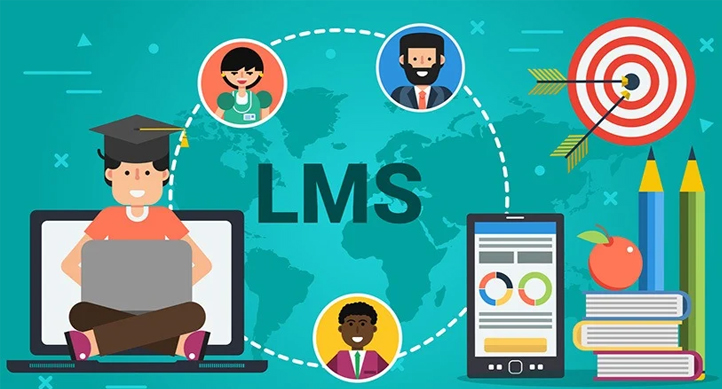
A survey of Top 10 Open Source Learning Management Systems

Mohamed Elabnody (2016)

Abstract—Open Source LMSs are fully flexible and customizable, so they can be designed in line with your school/organization’s brand image. Open Source LMSs can also be converted to social learning platforms. You can create an online community through your LMS. This paper describes the most important features in learning management systems (LMS), that are critical to compare and contrast depend on your system requirements. Also represents a multiple LMS providers that are designed to use in university environment. Continue reading →


Cloud Computing – Deployment Models

Cloud computing refers to using a third-party network of remote servers hosted on the internet to store and manage all your data, rather than local server or personal computer. You can access your documents, photos, videos and any other saved files from any device with internet access. With cloud services you can connect at home, work or on the go via a laptop, desktop, Smartphone or other handheld device. Continue reading →


Cloud Computing – Service Models

Cloud computing architecture refers to the components and subcomponents required for cloud computing. These components typically consist of a front end platform (fat client, thin client, mobile device), back end platforms (servers, storage), a cloud based delivery, and a network (Internet, Intranet, Intercloud). Combined, these components make up cloud computing architecture. Continue reading →


WordPress vs Joomla vs Drupal

For those of us who want to build powerful websites without having to worry about all the coding, and technical aspects of it, there are three main options. WordPress, Joomla and Drupal have established themselves as the leaders for online content management systems. Continue reading →


.com vs .net differences in domain extensions

Which is Preferred – .com vs .net?

The .com and .net domain extensions are well-known, but which one is the best for your needs? You’ve probably seen both and you may have even owned both at some time. Understanding the difference, can help you in many ways. Continue reading →